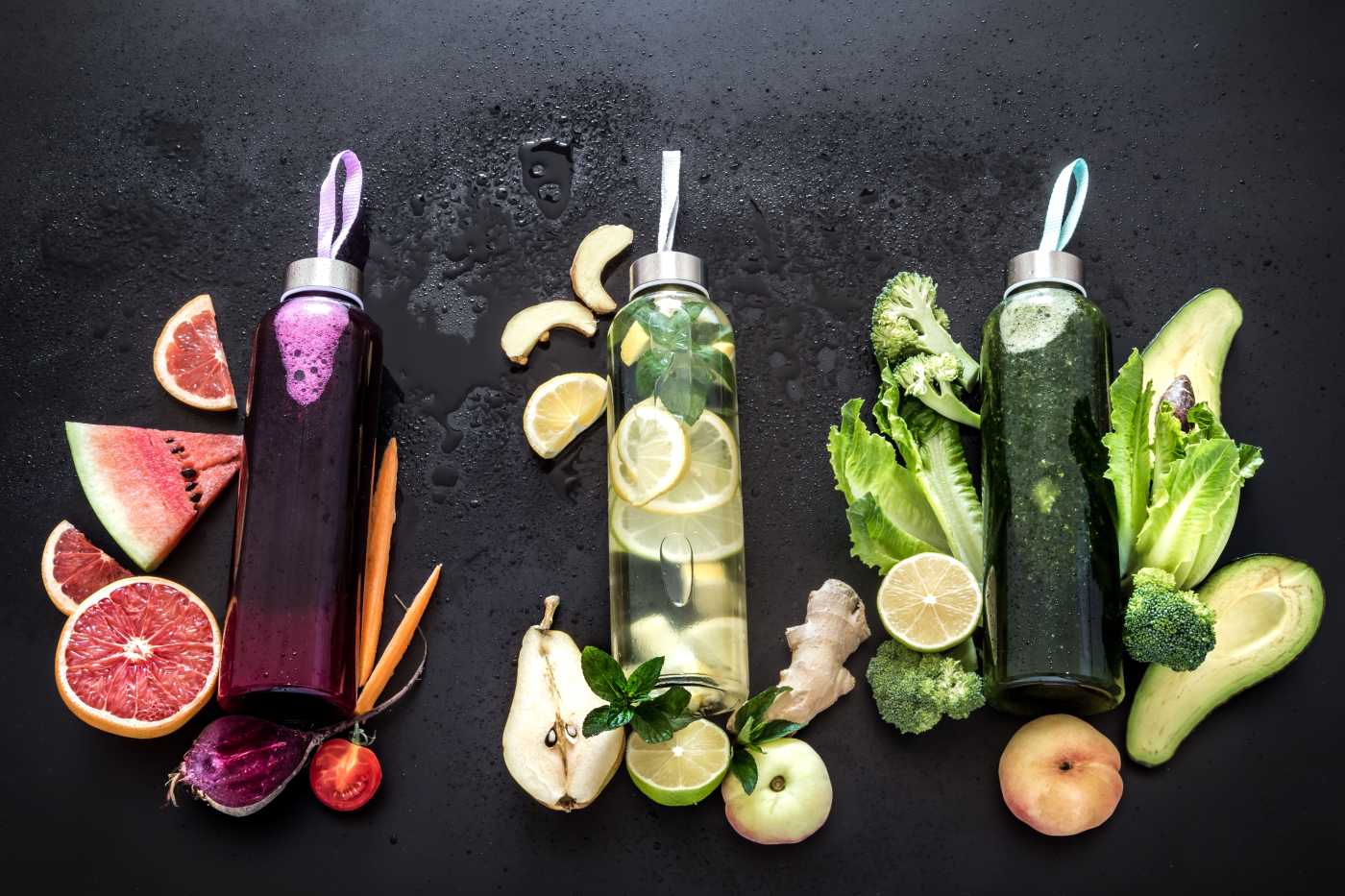
Hello to all the fitness enthusiasts out there! Today, let’s talk about isotonic drinks. Nowadays, many people strive to stay in shape and maintain a healthy lifestyle. However, during workouts and physical activities, the body loses water, energy, and important minerals. This problem can hinder the path to achieving athletic goals.
Isotonic drinks are special beverages designed for effective hydration, electrolyte balance restoration, and sustaining energy levels during physical activity. Through my research, I have discovered that many individuals face issues with dehydration and fatigue during workouts, which can negatively impact their performance and overall well-being.
My goal is to help you understand the importance of isotonic drinks and offer you some delightful recipes that can address these problems. In this article, you will find a variety of isotonic drink recipes, along with information about the benefits of each ingredient and their impact on the body during physical activity.
What are isotonic drinks, and why are they important for runners?
Isotonic drinks contain an optimal balance of water, electrolytes, and carbohydrates necessary for hydration, energy replenishment, and maintaining electrolyte balance in the body. When running, we lose a significant amount of fluid through sweat, as well as electrolytes such as sodium, potassium, and magnesium, which play a crucial role in muscle function and nervous system support. Isotonic drinks help compensate for these losses and provide the body with everything it needs to maintain optimal physical condition.
When choosing an isotonic drink for runners, it’s important to pay attention to the content of electrolytes and carbohydrates. Electrolytes help maintain electrolyte balance in the body and prevent muscle cramps. Carbohydrates, on the other hand, serve as a source of energy and help replenish glycogen stores in the muscles. The optimal balance of these components ensures effective hydration and energy support during running.
What is an isotonic drink?
An isotonic drink is a specialized beverage designed for hydrating the body, restoring electrolyte balance, and maintaining energy levels during physical activity, especially during intense workouts or competitions.
The main goal of isotonic drinks is to provide the body with an optimal balance of water, electrolytes, and carbohydrates after physical activity. Isotonic drinks help compensate for these losses, restore hydration, electrolyte balance, and energy reserves.
Key components of an isotonic drink
- Water: the primary component of an isotonic drink that helps replenish fluid loss in the body.
- Electrolytes: important minerals such as sodium, potassium, and magnesium that support normal cell function, muscle function, and the nervous system. Electrolytes also help prevent muscle cramps and maintain electrolyte balance in the body.
- Carbohydrates: a source of energy for the body. Carbohydrates in isotonic drinks are typically in the form of simple sugars (e.g., glucose or sucrose) that are quickly absorbed by the body and help replenish glycogen stores in the muscles.
- Vitamins and antioxidants: some isotonic drinks may be enriched with vitamins and antioxidants, which help strengthen the immune system, reduce inflammation, and support overall health.
Isotonic drinks can be commercially available and sold as ready-to-drink beverages or powders for mixing. They can also be prepared at home using various ingredients based on individual needs and taste preferences.
Principles of Isotonic Drinks
Isotonic drinks are true heroes that help keep the body hydrated and full of energy! How do they do it? Let’s delve into it.
Here’s the deal: when you consume an isotonic drink, it quickly gets absorbed by the body because it closely resembles the fluids in the human body. And inside this magical beverage are electrolytes such as sodium, potassium, and magnesium. They play a vital role in muscle function, nerve signaling, and hydration.
Isotonic drinks have another trick up their sleeve – carbohydrates! They provide energy to the body, allowing you to perform at your best without getting tired too quickly. Carbohydrates in isotonic drinks are like energy grenades!
When you drink an isotonic drink during or after a workout, you replenish what your body has lost. Victory! You replenish your fluid, electrolyte, and energy reserves that were left on the track or the battlefield. And this helps you stay prepared for new challenges, recover faster, and reach new heights.
Isotonic Drink Recipes
Classic Isotonic Mix:
500 ml water
30 g sugar
2 g salt
200 ml fruit juice (of your choice)
Mix all the ingredients in a bottle or container and shake well until the sugar and salt are fully dissolved. You can drink this ready-made beverage before or during your sports activities.
Fruit Isotonic, made with fresh fruits or fruit juice, is high in vitamins, minerals, and antioxidants. Fruits are rich in natural sugars, providing a source of energy and helping replenish glycogen stores in muscles after workouts. They also contain vitamin C, which boosts immunity, and B vitamins, supporting energy metabolism and nervous system function.
Lemon-Ginger Isotonic:
500 ml water
30 g honey
2 g salt
Juice of half a lemon
1 teaspoon freshly grated ginger
Mix all the ingredients in a blender or shake in a bottle until the honey and salt are fully dissolved. Add ice if desired and enjoy the refreshing drink.
Lemon-Ginger Isotonic has a refreshing taste and additional benefits. Lemon is an excellent source of vitamin C, which strengthens the immune system and supports skin health and collagen production. Ginger has anti-inflammatory and anti-infection properties, can aid digestion, and help reduce nausea. Lemon-Ginger Isotonic can be particularly beneficial after a workout or intense exercise to enhance recovery and alleviate potential inflammatory responses.
Berry Isotonic:
500 ml water
30 g honey or agave
2 g salt
100 g fresh berries (raspberries, strawberries, blueberries, etc.)
Blend all the ingredients in a blender or shake in a bottle until you achieve a smooth texture. Strain the mixture through a sieve to remove seeds and berry residue. The resulting berry isotonic is rich in antioxidants and vitamins.
This berry recipe is high in antioxidants, vitamins, and minerals. Berries such as raspberries, strawberries, and blueberries are rich in natural antioxidants that help combat harmful free radicals produced in the body during intense physical activity. They also contain vitamin C and other nutrients that support the immune system and aid in post-workout recovery.
Orange-Carrot Isotonic:
400 ml fresh orange juice
100 ml fresh carrot juice
2 g salt
Mix the orange and carrot juice in a bottle, add salt, and shake well. This isotonic drink is rich in vitamin C and beta-carotene, supporting the immune system and maintaining skin health.
This drink combines fresh orange and carrot juice, providing the body with vitamin C and beta-carotene. Vitamin C helps restore and strengthen the immune system, which is particularly important after workouts when the body is under stress. Beta-carotene, present in carrot juice, is a precursor to vitamin A and can help maintain healthy skin and vision.
Green Tea with Mint and Lime:
500 ml green tea (brewed and cooled)
Juice of 1 lime
2 g salt
Fresh mint leaves (a few leaves)
Mix the green tea, lime juice, and salt in a bottle. Add a few fresh mint leaves for a refreshing taste. This isotonic drink has antioxidant properties and can help reduce inflammation in the body.
Green tea contains antioxidants called catechins, which can help reduce inflammation and improve overall body function. Lime adds a fresh citrus flavor and enriches the drink with vitamin C. Mint not only provides a refreshing aroma and taste but can also help reduce fatigue and alleviate muscle tension.
Coconut Isotonic:
400 ml unprocessed coconut milk
100 ml water
30 g honey
2 g salt
Pinch of sea salt
Blend all the ingredients in a blender or shake in a bottle until you achieve a smooth consistency. Coconut isotonic has a refreshing taste and is rich in antioxidants.
Coconut isotonic, made with coconut milk, provides the body with fluid and electrolytes. Coconut milk contains electrolytes such as potassium, sodium, and magnesium, which play a crucial role in muscle function and electrolyte balance. Coconut isotonic is also rich in antioxidants, helping reduce inflammation and protecting the body from free radicals.
Traditional Recipes of Isotonic Drinks from Different Countries Around the World
There are numerous popular recipes for isotonic drinks around the world that reflect the diversity of cultures and ingredients from various countries. Here are a few examples of popular isotonic drink recipes from different corners of the world:
Berry Tea Isotonic (United Kingdom):
500 ml cold tea (black or green)
30 g sugar
Fresh berries (strawberries, raspberries, blueberries, etc.)
In the United Kingdom, tea-based drinks are very popular. Tea serves as the base for this isotonic drink, and the addition of fresh berries gives it a pleasant fruity taste while enriching it with antioxidants and vitamins.
Ayran (Turkey):
500 ml yogurt
500 ml water
2 g salt
Ayran is a traditional Turkish beverage known for its refreshing and hydrating properties. Simply mix yogurt, water, and salt to create a smooth and refreshing drink.
Fruit Boom (Brazil):
1 ripe coconut
Juice of 2-3 lemons
2 g salt
In Brazil, isotonic drinks prepared with fresh fruits are highly popular. To make this isotonic drink, open the coconut and pour its pulp and juice into a blender. Add lemon juice and salt, and blend until you achieve a homogeneous texture. This drink is rich in electrolytes, vitamins, and minerals.
Maple Isotonic (Canada):
500 ml water
30 ml maple syrup
2 g salt
Maple syrup is a popular and well-known product in Canada. It can be used in isotonic drinks as a source of natural sugars, enriching the beverage with vitamins and minerals. Mix maple syrup with water, add salt, and shake well. This isotonic drink will have a light and sweet maple flavor.
Citrus Isotonic (USA):
500 ml water
Juice of 1 lemon
Juice of 1 orange
2 g salt
Citrus fruits, such as lemons and oranges, are widely available and popular in the USA. Using their juices in an isotonic drink adds freshness, flavor, and nutrients. Mix lemon juice, orange juice, and salt with water, stir well, and enjoy a refreshing citrus isotonic drink.
Lemonade (Italy):
500 ml water
Juice of 2-3 lemons
2-3 tablespoons of sugar (to taste)
Pinch of salt
Mix lemon juice with water, add sugar and salt. Lemonade is a refreshing and classic beverage popular in Mediterranean cuisine.
Sparkling Mineral Water with Lemon (France):
500 ml sparkling mineral water
Juice of 1 lemon
2 g salt
Simply mix sparkling mineral water with lemon juice and salt. This simple and refreshing drink is popular in many Mediterranean countries, including France.
Cucumber Isotonic (Turkey):
500 ml water
Juice of half a lemon
1 cucumber, thinly sliced
2 g salt
A few sprigs of fresh mint (optional)
Mix all the ingredients together, add fresh mint for flavor. Cucumber isotonic drink refreshes the body, quenches thirst, and contains electrolytes and vitamin C.
Japanese Matcha Green Tea Isotonic:
500 ml cold water
1 teaspoon matcha (powdered Japanese green tea)
2 g salt
1 teaspoon honey (optional)
Whisk matcha with water until a smooth solution is formed. Add salt and honey if you prefer a gentle sweetness in the drink. Japanese matcha green tea isotonic drink has a refreshing taste and is rich in antioxidants.
Chinese Lemon Honey Isotonic:
500 ml water
Juice of 1 lemon
2 teaspoons honey
Pinch of salt
Mix all the ingredients together, stir well. Lemon provides a refreshing sour taste, honey adds natural sweetness, and salt helps restore electrolyte balance.
Bitter Orange Tea (Pu-erh) (China):
500 ml water
2 g salt
1 packet of pu-erh tea (bitter Chinese tea)
Steep the pu-erh tea in boiling water and let it steep for a few minutes. Remove the tea bag and add salt. Pu-erh tea has a refreshing taste with a mild bitterness and can help improve digestion.
Remember, each runner’s needs are individual, so it’s important to experiment with different recipes and find the optimal combinations of ingredients based on your preferences and body’s requirements.
Rules for Consuming Isotonic Drinks
When consuming isotonic drinks, it is recommended to follow a few rules:
- Drink during and after physical activity
Isotonic drinks are most effective when consumed during workouts or competitions, as well as after them. During physical activity, the body loses water and electrolytes through sweat, and isotonic drinks help compensate for these losses and maintain optimal hydration and energy levels.
- Follow the instructions
If you have purchased a ready-made isotonic drink, it is important to follow the manufacturer’s instructions regarding dosage and dilution. Different isotonic drinks may have different ingredient ratios, so it’s important to adhere to the recommendations to derive maximum benefit from the beverage.
- Consider individual needs
The intensity and duration of physical activity, as well as individual body needs, can vary for each person. Choose isotonic drinks that take into account your specific requirements and characteristics. If you have any specific health issues or dietary restrictions, consult with a doctor or dietitian.
- Avoid excessive consumption
Isotonic drinks are designed for hydration and replenishing electrolyte balance during physical activity. However, it is important not to overconsume excessive amounts of isotonic drinks, especially if the physical activity is not intense or prolonged. Excess carbohydrates and electrolytes can burden the body unnecessarily.
- Supplement with healthy foods
Isotonic drinks can be beneficial during physical activity, but they should not replace a balanced diet. Ensure that your diet also includes a variety of nutritious foods such as fresh fruits, vegetables, proteins, and healthy fats.
Isotonic Drinks: Important Notes on Contraindications
Isotonic drinks are generally safe for consumption, but there are a few contraindications and situations where they should be used with caution or avoided altogether. Here are some of them:
- Allergic reaction. If you have a known allergy to any of the components of an isotonic drink, it should be avoided. Familiarize yourself with the composition of the beverage and consult a doctor if you suspect an allergy.
- Kidney diseases. Some people with kidney diseases may have an imbalance of electrolytes in their body. In such conditions, consuming isotonic drinks may be contraindicated or require medical consultation.
- Diabetes. Some isotonic drinks contain sugar or carbohydrates. For individuals with diabetes, it is recommended to choose sugar-free or low-sugar options and consult with a doctor regarding their consumption.
- Digestive issues. Some individuals may have digestive problems or sensitivity to certain ingredients. In such cases, it is advisable to monitor the body’s reaction to isotonic drinks and consult a doctor if necessary.
- Pregnancy and breastfeeding. During pregnancy and breastfeeding, it is recommended to discuss the use of isotonic drinks with a doctor to ensure their safety and suitability for your condition.
Every person is unique, and the response to isotonic drinks may vary. In case of doubts or contraindications, it is always recommended to consult a medical professional who can provide individual recommendations based on your health characteristics and needs.
FAQ
Do regular people need isotonic drinks?
Yes, isotonic drinks can be beneficial not only for athletes and active individuals but also for regular people in their everyday lives. Here are several reasons why isotonic drinks can be beneficial for everyone:
- Optimal hydration levels
- Electrolyte balance
- Additional energy
- Strengthening the immune system
- Antioxidant protection
From what age can you drink isotonic drinks?
Isotonic drinks can be consumed by people of different ages, including children and older individuals. However, when it comes to children, especially young ones, it is recommended to consult with a pediatrician or child doctor before introducing isotonic drinks into their diet.
For children and teenagers, it is recommended to choose isotonic drinks specifically designed for their age group or consult with a doctor to determine the appropriate form and dosage. It is important to consider individual needs and characteristics of the child, such as the level of physical activity, climatic conditions, and overall health.
Regardless of age, it is important to remember that isotonic drinks should not replace regular drinking water in everyday life. Adults and children should drink an adequate amount of water to maintain hydration and health.
Can isotonic drinks be consumed during pregnancy?
During pregnancy, it is recommended to consult with a doctor or midwife for specific dietary recommendations, including the consumption of isotonic drinks. They will be able to consider your individual condition, needs, and possible restrictions.
In general, isotonic drinks can be safe for consumption during pregnancy, especially if they contain natural ingredients and do not include harmful additives or allergens. However, some isotonic drinks may contain caffeine, high amounts of sugar, or other additives that may be undesirable or have adverse effects during pregnancy.
Therefore, it is important to consult with a doctor to obtain specific recommendations. The doctor can take into account your medical history, current pregnancy condition, and your body’s characteristics to determine if isotonic drinks can be safe and beneficial in your case.
Is it possible to prepare sugar-free isotonic drinks?
Yes, it is absolutely possible to prepare isotonic drinks without sugar. In fact, many people prefer to avoid adding excessive sugar to their diet. Here are a few ideas and recipes for preparing sugar-free isotonic drinks:
- Lemon-ginger isotonic drink: Mix freshly squeezed lemon juice, natural sugar-free ginger syrup, and a pinch of sea salt in a glass of water. This refreshing beverage can help restore electrolyte balance and provide an energy boost without adding sugar.
- Cucumber isotonic drink: Blend fresh cucumber juice, natural lime or lemon juice, and a little sea salt. Add sparkling water to give the isotonic drink a refreshing effect. This drink can help quench thirst and replenish lost electrolytes.
- Berry isotonic drink: Add fresh berries (strawberries, raspberries, blueberries, etc.) and a little lemon juice to a glass of water. For sweetness and flavor, you can add a drop of natural stevia or honey. Mix well and enjoy a delicious and sugar-free isotonic drink.
Remember that sugar-free isotonic drinks may be less sweet, but they can still help restore hydration and electrolyte balance in the body. You can always experiment with different ingredients and adapt the recipes to your taste preferences.
Conclusion
Friends, we have gone through the entire journey of exploring isotonic drinks and their importance for our energy and hydration during workouts. We have learned what isotonic drinks are, the benefits they can provide, and even found some tasty recipes!
Now we have a secret weapon for reaching new heights in our physical activity. Thanks to isotonic drinks, we can effectively maintain hydration, restore electrolyte balance, and obtain the necessary energy. And most importantly, we can do it with pleasure!
Isotonic drinks are not just beverages; they become our faithful companions in sports and everyday life. We can experiment with different recipes, add our favorite fruits, berries, or spices, and create delicious combinations that suit us personally.
I hope this article has been a useful guide for you on isotonic drinks. Remember that the most important thing is to listen to your body, stay active, and enjoy every workout. With isotonic drinks, we can feel strong, energetic, and ready to conquer new horizons.
So, onward, friends! Prepare your own isotonic drinks, don’t forget to try new recipes, savor their taste, and confidently and joyfully achieve your sports goals!
 RunSpirit