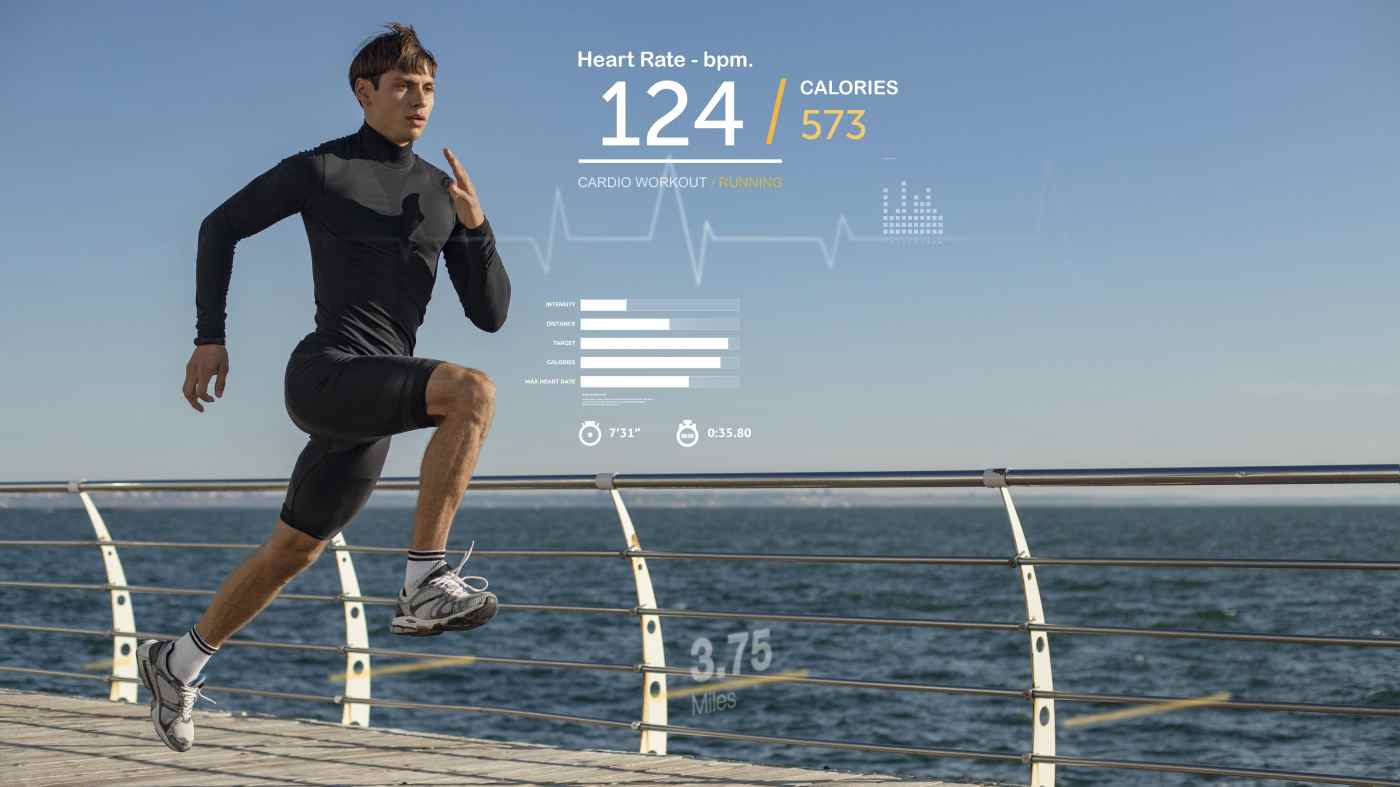
Running is a popular form of exercise that offers numerous health benefits, from improving cardiovascular fitness to boosting mental well-being. Whether you’re a seasoned athlete or a complete beginner, mastering proper running technique is essential for maximizing performance and minimizing the risk of injuries. Many newcomers to the sport join running clubs specifically to learn and refine their running form. In this article, we will explore the importance of correct running technique, particularly for novice runners, and delve into the key elements that contribute to efficient and injury-free running. By understanding the fundamentals of running form and implementing them into your training, you can enhance your running experience and unlock your full potential as a runner.
Running with the right technique is crucial for both beginners and seasoned runners. Proper form ensures efficient movement, reduces stress on the body, and maximizes energy utilization. Additionally, it helps prevent common running-related injuries such as shin splints, knee pain, and Achilles tendonitis.
Let’s explore the fundamental components of running technique and how you can improve them.
Perfecting Foot Positioning: The Foundation of Efficient Running
The Importance of Foot Strike
Foot strike refers to the part of your foot that contacts the ground first when running. It plays a crucial role in distributing the impact forces and propelling you forward. The three main types of foot strikes are forefoot strike, midfoot strike, and heel strike.
Forefoot, Midfoot, and Heel Strike
- Forefoot Strike. This occurs when the ball of your foot lands first, followed by the midfoot and heel. It allows for a more efficient transfer of energy and is associated with a lower risk of certain injuries, such as shin splints. However, it requires stronger calf muscles and may cause strain if not executed properly.
- Midfoot Strike. In a midfoot strike, the middle of your foot lands first, evenly distributing the impact forces. It offers a balanced approach that can be suitable for many runners, reducing the stress on specific body parts.
- Heel Strike. Heel striking involves landing on your heel first. It’s the most common foot strike pattern but can potentially lead to higher impact forces on the joints. However, it doesn’t necessarily mean it’s an incorrect technique as some runners naturally adopt this style.
Finding the Right Foot Strike for You
The ideal foot strike for running varies from person to person. Factors such as body structure, running speed, and individual biomechanics can influence which foot strike is most suitable. It’s essential to listen to your body and pay attention to any discomfort or pain during and after running. Experimenting with different foot strikes and seeking guidance from a running professional can help you find the most optimal technique.
Fluid Hand Movement: Unleashing Power and Precision in Your Run
Correct Arm Positioning
Proper hand movement contributes to overall balance, stability, and efficient running. Your arms should be relaxed, bent at a 90-degree angle, and swing naturally from your shoulders. Avoid crossing your arms across your body or swinging them too wide as it can lead to unnecessary energy expenditure and affect your running rhythm.
Arm Swing and Balance
Coordinating arm swing with your leg movement can help maintain balance and enhance forward propulsion. The motion of your arms should be synchronized with your stride, swinging back and forth in a relaxed manner. The backward swing of your arm should be slightly shorter than the forward swing.
Avoiding Excessive Arm Movement
While arm movement is crucial, excessive arm swinging or flailing can waste energy and cause unnecessary upper body tension. Focus on keeping your movements smooth and controlled, avoiding any excess motion that could negatively impact your running efficiency.
Mastering Breath Control: Unlocking Endurance and Performance
The Importance of Proper Breathing
Correct breathing techniques are vital for maintaining a steady oxygen supply to your muscles, preventing fatigue, and enhancing performance. Proper breathing can also help you maintain a relaxed state while running, allowing you to stay focused and avoid unnecessary tension.
Diaphragmatic Breathing
Diaphragmatic breathing, also known as belly breathing, involves using your diaphragm to draw in air deeply. This technique allows for a more efficient exchange of oxygen and carbon dioxide. To practice diaphragmatic breathing, inhale deeply through your nose, feeling your abdomen expand, and exhale fully through your mouth, allowing your belly to deflate.
Coordinating Breathing with Running Rhythm
Syncing your breath with your running rhythm can help establish a comfortable and efficient pattern. Strive to find a breathing pattern that matches your stride, such as inhaling for two steps and exhaling for two steps, or experimenting with what feels most natural to you. It’s essential to avoid shallow or irregular breathing, which can lead to fatigue and affect your performance.
Putting It All Together
Integrating proper foot positioning, hand movement, and breathing techniques is key to achieving optimal running form. Practice these elements individually and gradually work on combining them for a fluid and efficient running experience. It may take time and conscious effort, but with practice, these techniques will become second nature.
Catch the Wind: Unleashing the Power of Proper Running Technique

- Enhanced Performance: Increase speed, endurance, and overall running efficiency.
- Injury Prevention: Reduce the risk of common running injuries such as shin splints, knee pain, and plantar fasciitis.
- Efficient Energy Expenditure: Conserve energy by optimizing stride length, cadence, and body alignment.
- Joint Protection: Minimize stress on joints by maintaining proper foot positioning and landing mechanics.
- Improved Posture and Core Strength: Strengthen core muscles and maintain an upright posture for better stability and balance.
- Increased Oxygen Intake: Coordinate breathing patterns with stride for optimal oxygen uptake and improved endurance.
- Enhanced Muscle Engagement: Activate and utilize major muscle groups effectively, leading to greater power and efficiency.
- Mental Focus and Mind-Body Connection: Develop a mindful approach to running, promoting mental clarity and overall well-being.
- Better Running Economy: Achieve more with less effort, optimizing energy utilization for longer distances.
- Personalized Running Experience: Understand your body’s unique mechanics and make adjustments for personalized running style and comfort.
Common Mistakes to Avoid
❌ Overstriding
Overstriding refers to taking steps that are too long, often resulting in a heel strike and increased braking forces. This can lead to inefficient running and an increased risk of injury. Focus on maintaining a natural stride length and allowing your feet to land under your center of gravity.
❌ Tension in the Upper Body
Excessive tension in the upper body can hinder your running efficiency and lead to unnecessary fatigue. Relax your shoulders, keep your arms loose, and maintain an upright posture while running to minimize tension and maximize energy conservation.
❌ Inconsistent Breathing Patterns
Inconsistent or shallow breathing patterns can restrict oxygen flow and make running feel more challenging. Ensure that you establish a steady breathing rhythm and consciously maintain it throughout your run. Regular practice will help make it a natural and effortless part of your running routine.
Tips for Improving Running Technique
- Gradual Progression and Practice. Improving your running technique takes time and patience. Gradually introduce changes to your form and focus on one aspect at a time. Consistent practice will allow your body to adapt and develop muscle memory for the correct technique.
- Seeking Professional Guidance. If you’re serious about improving your running technique, consider seeking guidance from a running coach or professional. They can provide personalized advice, conduct gait analysis, and design a training plan tailored to your needs.
- Strength and Flexibility Training. Supplement your running routine with strength and flexibility exercises. A strong core, stable hips, and flexible muscles can contribute to better running form and reduce the risk of injuries. Incorporate exercises such as planks, squats, lunges, and yoga into your training regimen.
Conclusion
Mastering the correct positioning of the feet, hand movement, and breathing techniques can significantly impact your running performance and reduce the risk of injuries. By paying attention to these essential aspects and implementing them into your running routine, you can improve your efficiency, endurance, and overall enjoyment of the sport.
FAQs
- Can I change my foot strike if I’ve been running a certain way for years?
Absolutely! While it may take some time and gradual adjustments, it is possible to change your foot strike technique. Start by incorporating short intervals of your desired foot strike during your runs, and gradually increase the duration over time.
- Should I swing my arms vigorously while running?
Vigorous arm swinging is not necessary for most runners. Instead, focus on maintaining relaxed and controlled arm movements that sync with your running rhythm. Excessive arm swinging can lead to wasted energy and unnecessary upper body tension.
- How do I know if I’m breathing correctly while running?
Pay attention to your breathing patterns while running. If you feel short of breath or find it challenging to maintain a steady rhythm, you may need to adjust your breathing technique. Practice diaphragmatic breathing and experiment with different patterns to find what works best for you.
- Is it necessary to focus on running technique if I’m just a casual runner?
While running technique may be more critical for competitive runners, paying attention to proper form can benefit casual runners as well. It helps prevent injuries, improve efficiency, and enhance overall running experience. Incorporating good technique habits early on can save you from potential problems in the long run.
- How long does it take to improve running technique?
The time it takes to improve your running technique can vary depending on various factors, including your current form, dedication to practice, and individual characteristics. Consistent practice, gradual adjustments, and seeking professional guidance can expedite the learning process. Be patient with yourself and celebrate the small improvements along the way.
 RunSpirit